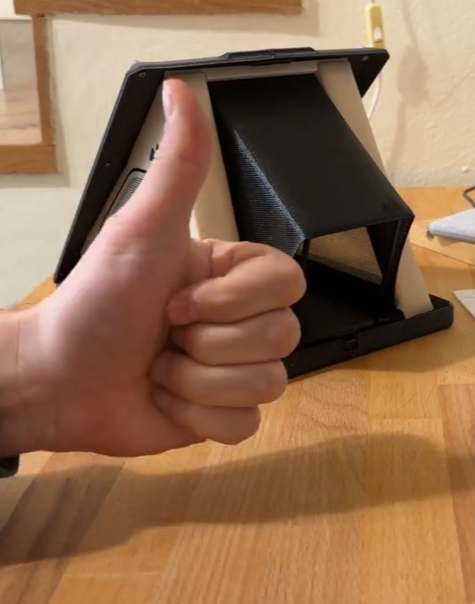
Can You 3D Print a Rooftop Tent? Sure. What Could Go Wrong…
30. 3. 2026

When a good idea becomes a very ambitious one.
It started pretty innocently. “What if we made a rooftop tent for the Mogster Overland? But like… actually functional. Foldable. Realistic.” Sounds like a great idea. Also slightly insane.
The first version? Of course it was ambitious. We even considered remote control, so the tent could unfold on its own.
Spoiler: that didn’t last long. 😄
Too heavy. Too complex. Not reliable. And that’s the last thing you want on a model that should work even in “off-road conditions” (aka your living room carpet).
So we scaled things back. And that’s when it actually got interesting.
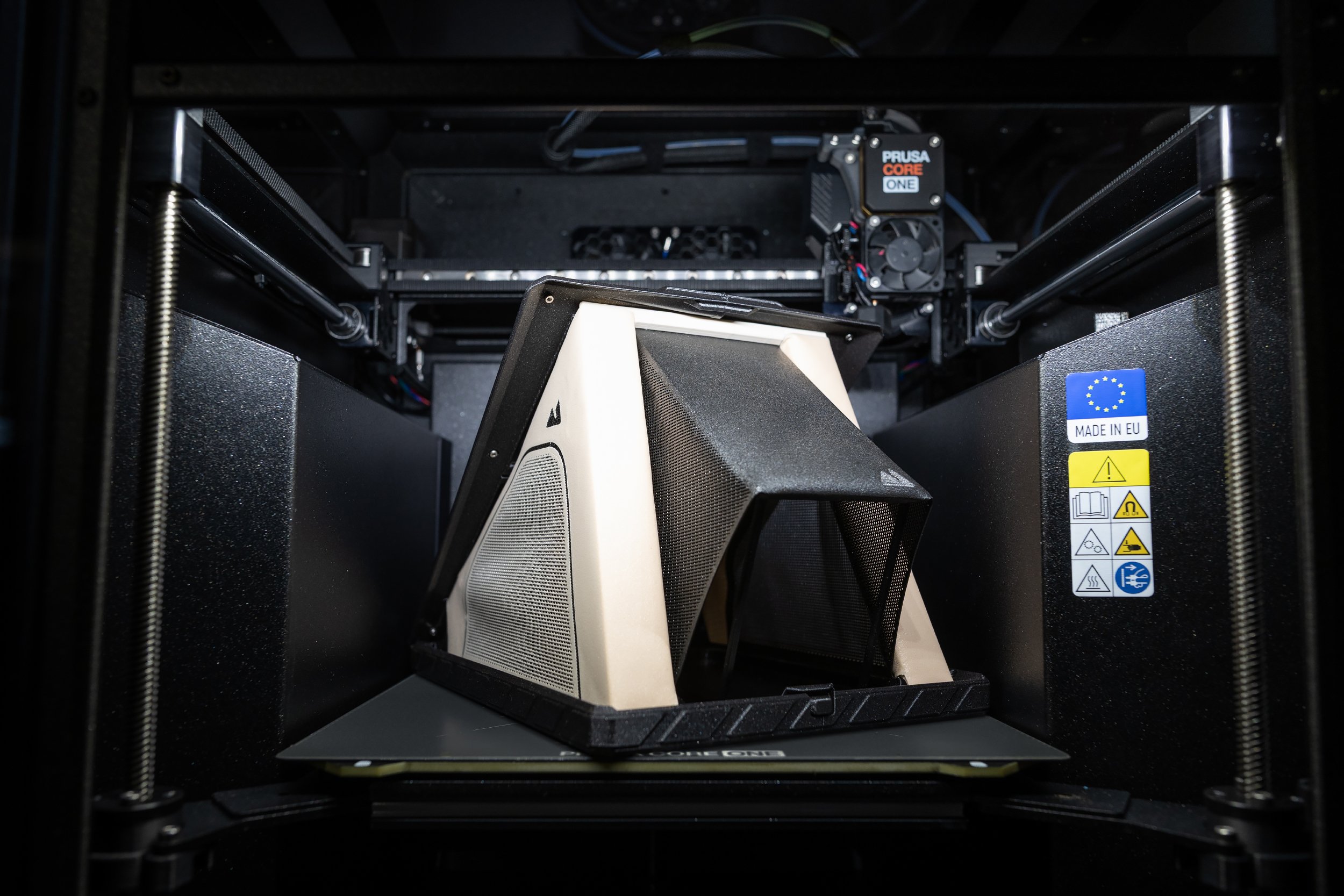
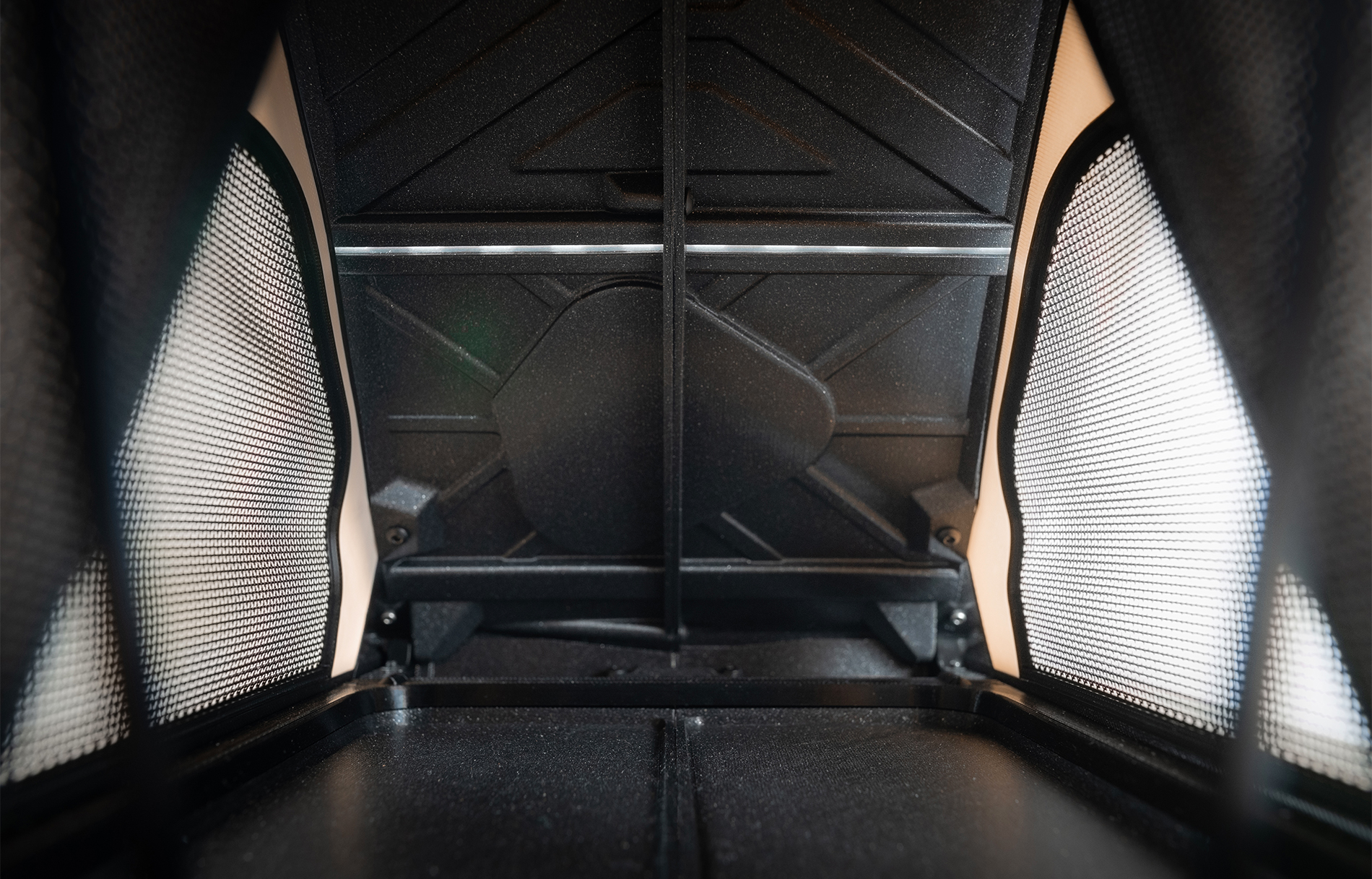
On paper, it looked simple: print the tent as a single piece and done.
Reality? Total failure.
Flexible filament (TPU) just doesn’t behave well in tall, thin structures. Add humidity, tricky settings and suddenly your “simple fabric piece” becomes one of the hardest parts we’ve ever tried to print. Trying to print it as one 3D object was complete nonsense.
And that wasn’t even the worst part.
Ironically, the biggest problem came from something super basic – the PLA lid. It warped. It lifted. It fought us every step of the way. We went through way too many test prints before realizing we had to literally cut it.
Sometimes you have to make a part “worse” to make the whole thing work better.
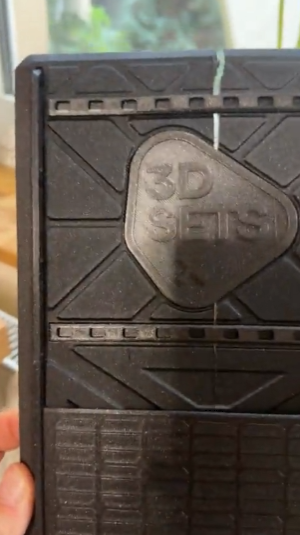
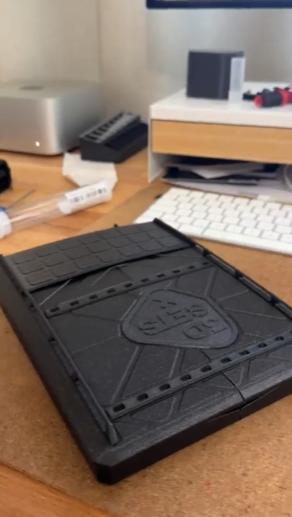
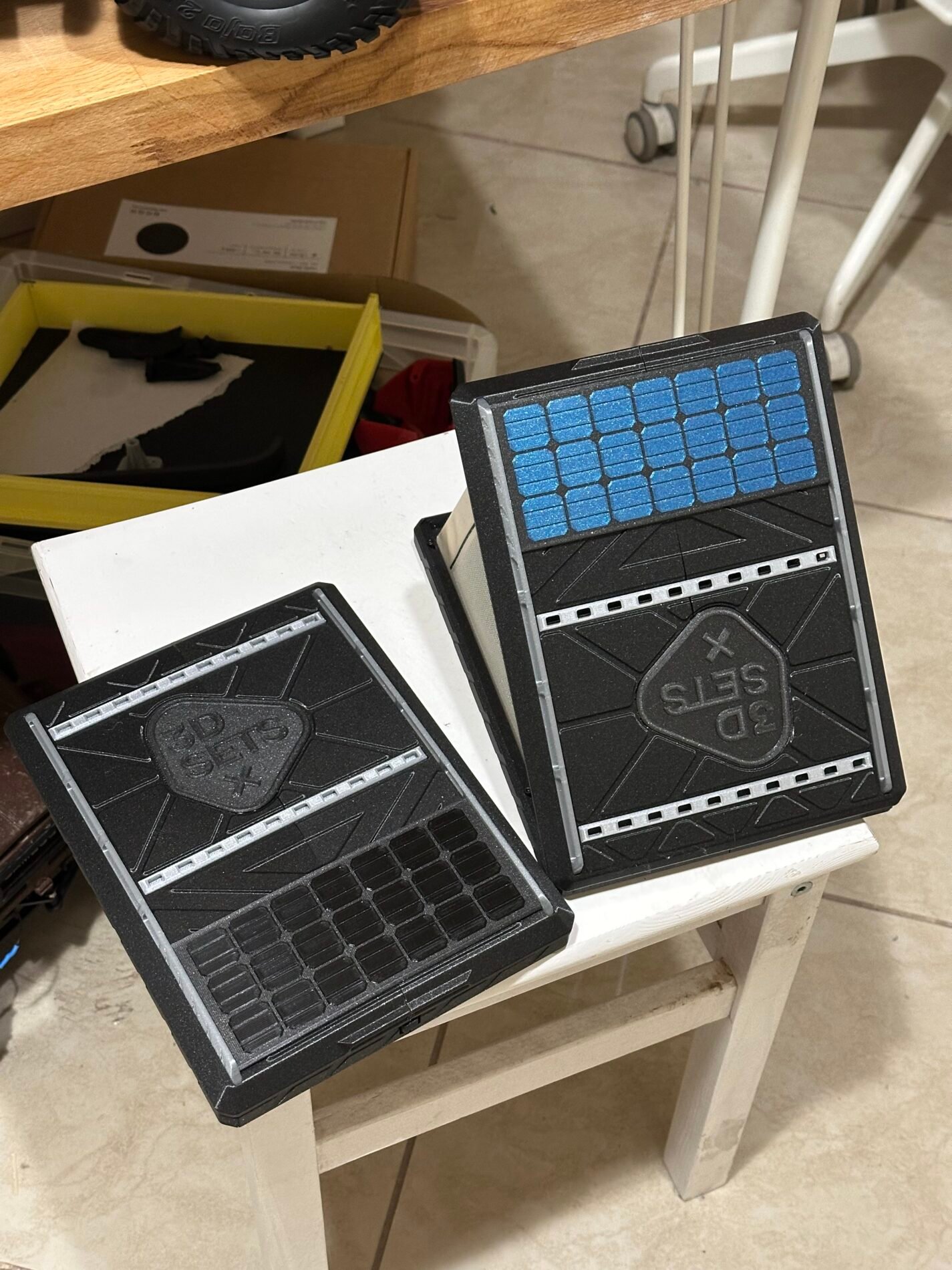
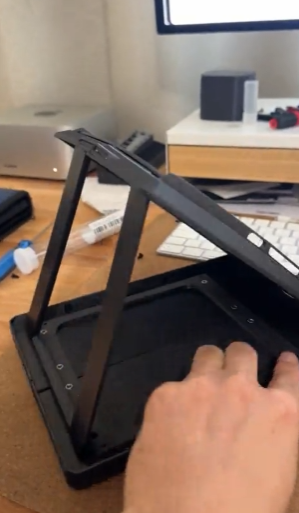
And then it clicked. We’re not printing a tent. We’re tailoring it.
Instead of one 3D object, we started printing flat parts. And “programming” how they should behave:
Suddenly, it made sense. And more importantly – it worked.
Once the core worked, we could start having fun.
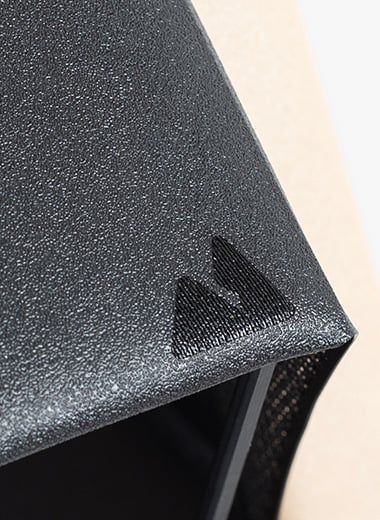
Switching to a textured plate changed everything. The material suddenly looked less like plastic and more like fabric or leather.
Printing fine mesh? Nightmare. So we faked it — using color changes mid-print. The result? A super convincing mesh effect, without the pain.
No extra color. Just a subtle change in how the layer is printed. Different light reflection = visible detail. A tiny 3D watermark. And it looks so good.
This wasn’t just about making a tent. It completely changed how we think about 3D printing.
Not everything needs to be a 3D object.
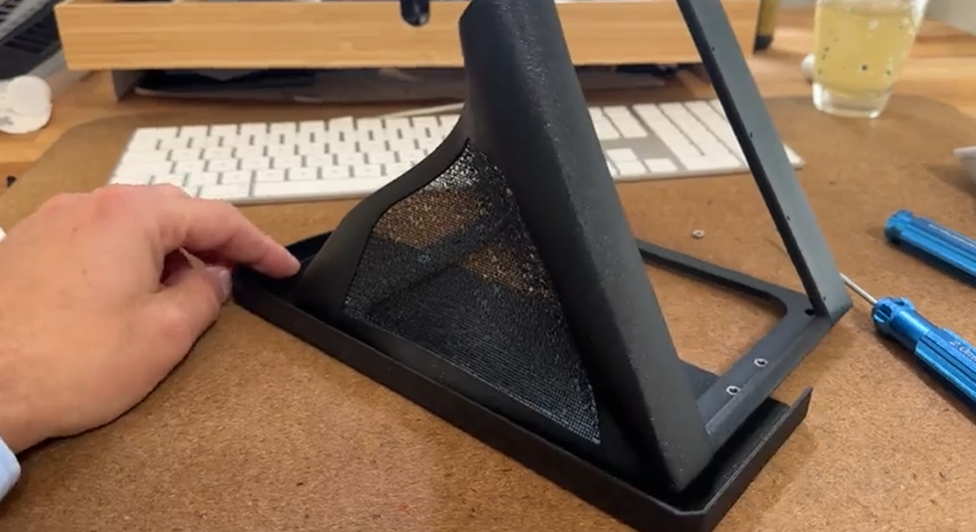
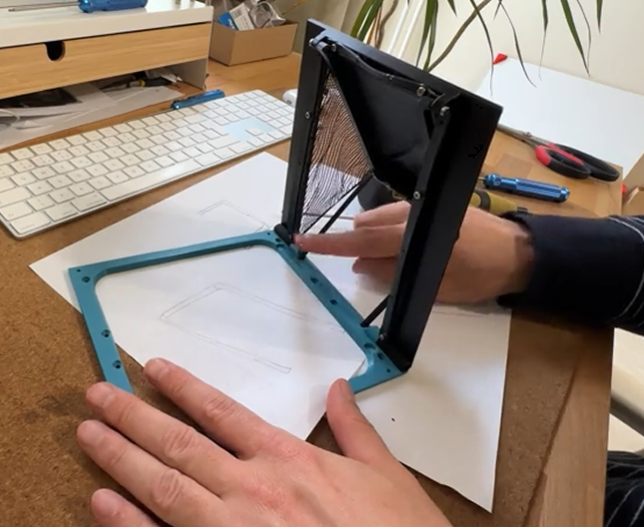
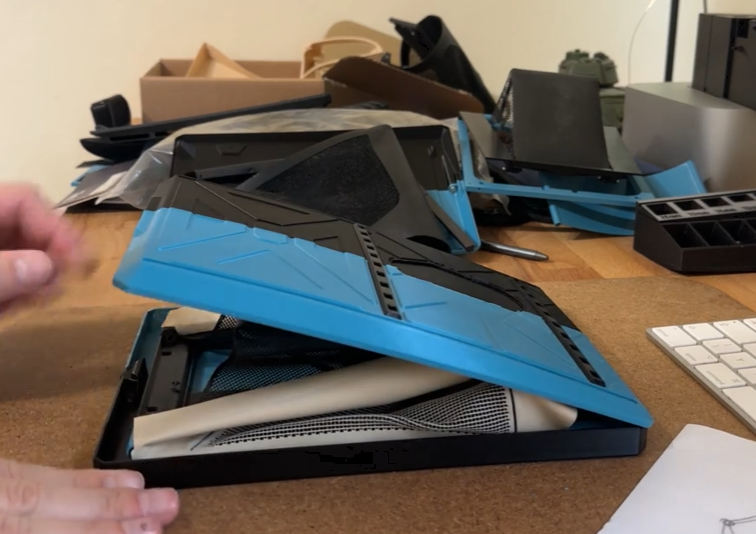
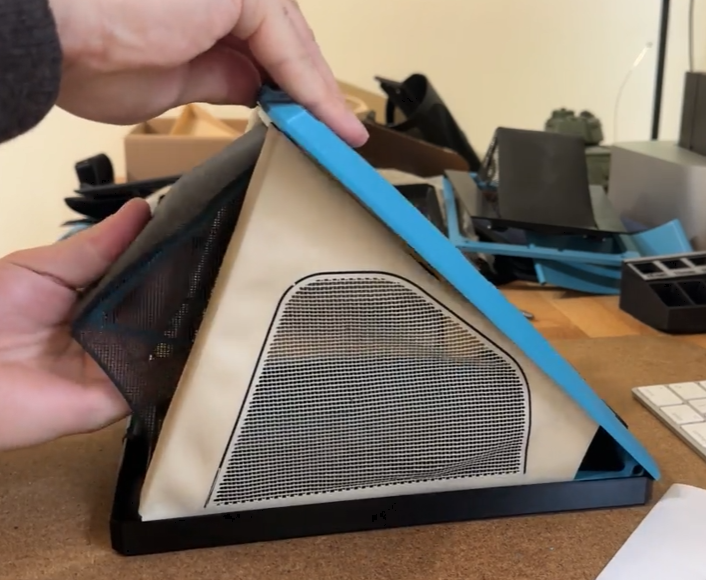
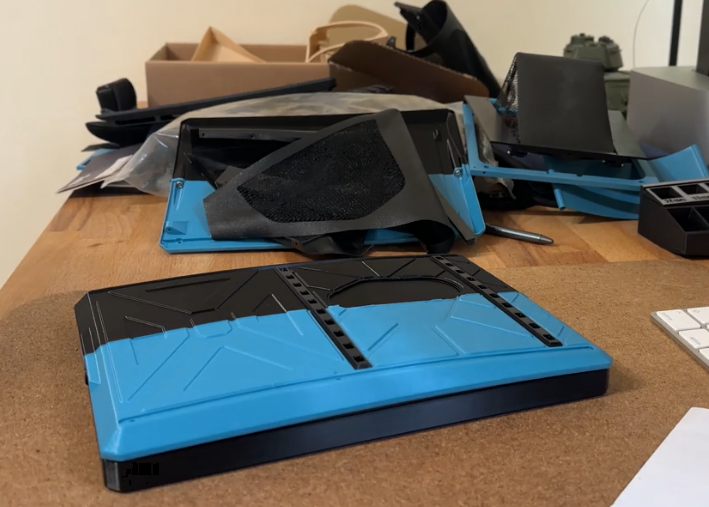
Not every printer is built for flexible filament. So we added a “Plan B”.
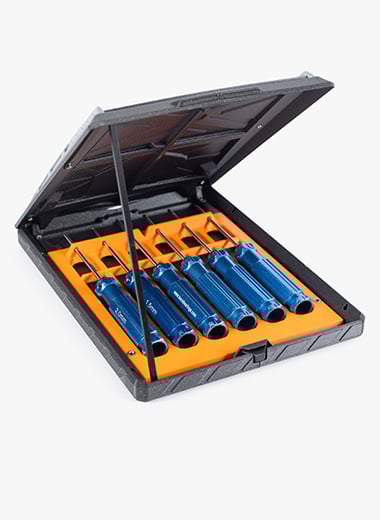
The same tent shell can be turned into a tool holder. Just swap the inside, and you’ve got a practical upgrade for your build.
Win-win.
It might look like a small detail on a model. But behind it? A lot of trial and error. Dead ends. And moments where you wonder:
“Why did we even start this?” And then suddenly – it works. And that’s exactly why we keep doing it.
Thanks for following our Mogster roofttent journey and see you in the next story!